Skin Health Through The Ages with Pamela Marshall
We had the pleasure of delving into our Resident Skin Health Expert Pamela Marshall’s knowledge of how skin changes through the ages. Read on to learn more.
We had the pleasure of delving deep into our Resident Skin Health Expert's, Pamela Marshall, knowledge on all things changing skin. Read below to understand how skin differs through different stages of life.
 Introduction to Skin Health:
Can you provide an overview of skin health and why it’s important to maintain it throughout life?
Our skin is a bit like a window into our body's health status.If we’re run down, stressed, sleep deprived, or our lifestyle is out of balance, it can sometimes show in the way our skin looks and feels. Our skin isn’t just something we want to look good, it’s a reflection of our internal health. Additionally, how our skin looks affects how we feel, so having healthier, more glowing skin may well make you feel better, too.
What key factors impact skin health at different stages of life for both men and women?
Men, on the other hand, experience a rise in hormones from their early teens into their mid-to-late 20s. Skin may become oilier or more blemish-prone during this time, although everyone’s experience is different. Lifestyle factors, skincare habits, and genetics can all influence how the skin looks and feels throughout adulthood.
The process of aging affects skin too, but it isn’t dramatically different for women and men, although attitudes toward aging can differ. Lifestyle and genetics play a much bigger part in our aging process, but broadly speaking, as we move through our years, our cell turnover slows down and our collagen and elastin naturally change over time.
Skincare also really impacts the appearance of skin as we age, and there is a disparity between the sexes here because, as a general rule of thumb, I see a lot more women looking after their skin younger than men. Consistent skincare habits over time can help support skin comfort, hydration, and appearance.
The great news is that skin is remarkably resilient. Cleansing, hydrating, and protecting the skin with daily SPF can all help support its appearance and comfort over time.
Childhood to Adolescence:
What are the major changes the skin undergoes during adolescence?
During these hormonal fluctuations, teens may notice increased oiliness, blemishes, dryness, or sensitivity. Very rarely does a young person need to have more than a few products, and generally they do not need to be using anti-aging products. A simple routine focused on gentle cleansing, hydration, daily SPF, and good everyday hygiene is often enough. Clean sheets, well-washed hair, showering after exercise, and keeping hands away from the face are all good habits.
Some young people may also experience hormonal or medical conditions that affect their skin. In these cases, it is important to seek advice from an appropriate healthcare professional rather than relying on skincare alone.
How can adolescents manage common skin issues like blemishes and sensitivity?
t’s important to have a good routine. This does not mean expensive or complex. In my day, we were told that if we cleansed to a squeaky-clean level using stripping cleansers, it would help our skin. In actuality, over-cleansing can leave skin feeling dry, tight, or sensitized.
I frequently tell my teen clients to try hard not to touch their face during the day, to keep their sheets clean, to clean their phones regularly, and to keep their hair clean.
For teens with blemish-prone or sensitive skin, Clinisoothe+ can be a simple addition to a daily routine, helping support skin clarity, comfort, and hygiene.
Young Adulthood (20s and 30s):
What changes do people experience in their skin during their 20s and 30s?
Young adulthood isn’t vastly different from the teen years when it comes to changes in oiliness, blemishes, or sensitivity. Skin can continue to change throughout the 20s and 30s.
However, this is also the time in our lives when we are out having fun. Late nights, alcohol, long working hours, and everyday lifestyle demands can all influence the way skin looks and feels, so many of the good habits from adolescence remain useful.
What preventative steps should individuals take in this phase to maintain skin health?
Wash sheets weekly, keep phones clean, and don’t overcomplicate your skincare routine. No, you do not need to use multiple acids and retinols at this point. Keep it targeted but simple.
This is the age group that is more likely to get information from social media. While some advice may be great, not every trend will be right for your skin, so get advice from an expert and keep your routine simple so you don’t get lost in the trap of always buying the next best thing.
Always, always wear SPF every single day.
Midlife (40s and 50s):
How does the skin start to change in the 40s and 50s, particularly with hormone fluctuations in both men and women?
For women, this is often a time when we start to notice more visible changes in the skin. Collagen and elastin naturally change as we age, and hormonal changes during midlife can also influence dryness, sensitivity, oiliness, and overall skin comfort.
Comparing ourselves to the people we see on TV or on social media can be soul-destroying, so I remind my clients that healthy skin ages beautifully, and it’s a healthy approach, physically and mentally.
I always recommend SPF daily, and generally I try to get a product or two in that contain PHAs, or polyhydroxy acids, to support hydration and gentle exfoliation. I will often recommend carefully introducing a retinoid where appropriate.
Finding a moisturizer that is well formulated with small amounts of actives in it can be far better for the skin than overloading on retinoids and acids. Slow and steady wins the race when the goal is to keep skin feeling comfortable and avoid unnecessary sensitivity or visible redness.
Clinisoothe+ should be used after cleansing at all stages in life, but if your skin is still blemish-prone, keeping it as a consistent part of your routine can help support everyday skin hygiene and comfort.
For men, it’s much the same as it is for women, although their skincare habits and concerns may be different. Generally, at this point in a man’s life, he may not have taken the best care of his skin. Skin can become drier, more sensitive, or more reactive-feeling over time, particularly when it has not been consistently cared for. Clinisoothe+ and a well-formulated moisturizer can be simple additions to a routine designed to support skin comfort and hydration.
What common skin issues arise during this period, and how can people address them? See above.
Later Life (60s and Beyond):
What are the typical changes in skin health as people age into their 60s and beyond?
What are the typical changes in skin health as people age into their 60s and beyond?
This is a really interesting time. Many women in their 60s are pretty savvy and know what worked for them in their 50s. But after 60, you’re looking at people who were skin educated at a different time.
Many of those female consumers grew up cleansing their skin with a heavy cream and taking it off with a tissue, and then reapplying another cream, meaning they may have very soft skin because they haven’t necessarily over-taxed it with too many products or actives.
However, we can’t get to this time in life without a little “life” showing. There will be lines and wrinkles, especially for those who’ve had a lot of UV exposure.
We should never stop wearing SPF daily, no matter our age. As skin becomes drier and more delicate with age, gentle cleansing, antioxidants, and lipid-rich moisturizers can help support comfort, hydration, and the skin’s natural barrier.
How should skincare routines adapt to address issues like thinning skin or decreased elasticity?
We are not going to be able to remove lines and wrinkles during this time without procedures, but consistent skincare can help support a more hydrated, comfortable, and radiant-looking complexion.
Lipid-based products are useful for this, as is an emollient moisturizer, along with, of course, SPF every day.
If skin feels particularly sensitive or looks visibly red, Clinisoothe+ can be used as a gentle step to help support skin comfort and everyday hygiene.
General Skin Care Advice:
Are there universal tips that apply to maintaining skin health across all life stages?
Absolutely. Choose a cleanser that suits your skin and avoids leaving it feeling stripped or tight. I personally prefer a milky, creamy, or balmy cleanser, which you remove with a warm washcloth.
Use Clinisoothe+ daily.
Always wash your face last in your routine, i.e., brush teeth, shampoo, rinse, condition, rinse, cleanse face, then remove cleanser with a washcloth.
Always wash your sheets weekly. If you sweat, wash your face and hair as appropriate before going to bed. Keeping pillowcases and bedding clean is a simple way to support everyday skin hygiene.
What lifestyle factors (diet, sleep, stress) most impact skin health over time?
One of the most important things is protecting your skin from UV exposure. Everyone should be wearing SPF on their face every day.
Sleep, stress, hydration, and diet can all influence overall well-being and may also affect how skin looks and feels.
We often think of water as being the way to hydrate, but a balanced diet that includes healthy fats also plays an important role in overall nutrition.
Conclusion:
If someone is just starting to care for their skin at a later stage in life, what would be your top piece of advice? The same question applies if someone is just starting out as a teen.
My advice doesn't change too much based on age. The 'care' of skin needs to be consistent throughout life. So, with teens I do need to remind them to be better at washing their hair, sheets, etc.
For someone starting later in life, my advice is always about loving your skin for what it is. We will obviously work on getting the right ingredients on the skin, but the idea is to make the skin happy, hydrated, and healthy. The actual way skin functions doesn't change as we get older. We all produce oil, we all have to protect our skin from UV and environmental factors, we all have to consider our skin as an engine.
They work in broadly the same way, but different factors can make the engine room go into chaos. The factors that create chaos can be different as we age, but the engine room is the same. As we get older, some skin processes naturally slow down, but the fundamentals of gentle cleansing, hydration, protection, and consistency remain important.
Where do you see Clinisoothe+ as an extra boost in supporting skin through the years?
Clinisoothe+ is something that people can use at all ages. Again, I refer back to the “engine.” As we move through life, there will be different factors that affect the engine.
Clinisoothe+ can help support a simple, consistent skincare routine throughout every stage of life. In the teen years, it can support skin that is blemish-prone or feels out of balance. In our 40s, it can help support skin that feels sensitive or reactive, while later in life it offers a gentle way to maintain skin comfort, clarity, and everyday hygiene.
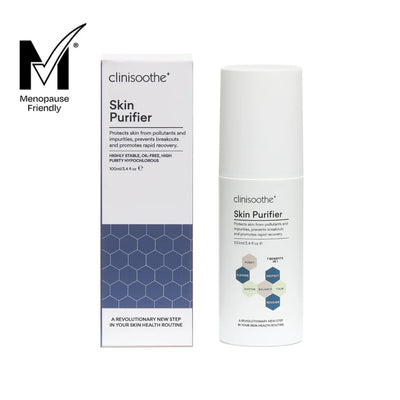
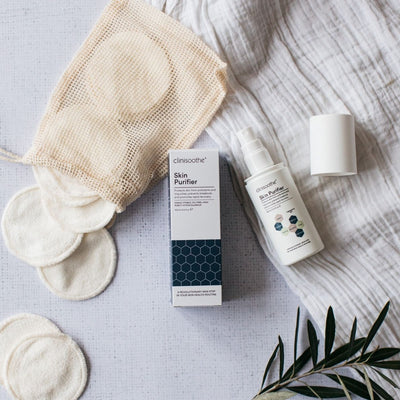
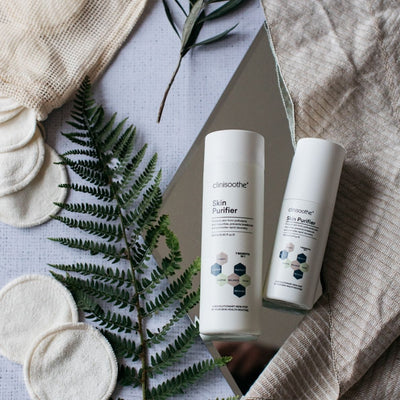
Try Clinisoothe+ Skin Purifier, a gentle addition to your daily skincare routine. Simply spritz generously onto clean skin after cleansing, allow it to dry naturally, and continue with your usual skincare. Clinisoothe+ helps support daily skin clarity, comfort, and hygiene and is suitable for sensitive and reactive skin.

Clinisoothe+ Skin Purifier, $19.99/100ml

Pamela Marshall, our Resident Skin Health Expert, Clinical Aesthetician and Co-Founder of Mortar & Milk London.